Check The Facts
Sometimes our emotional pain comes from thoughts, rather than facts. Check The Facts can help us figure that out, and potentially feel better.
Stories

I use check the facts to help me figure out what things I'm thinking are true and what aren't ‑ to help me figure out if my emotions and their intensity align with reality. That helps me figure out how to deal with them or how to move forward.
I tend to overthink things, overanalyze situations. I feel things deeply. Check the facts is a skill I use on a daily basis.
Community Tips
I mostly use Check the Facts for shame ‑ shame is a big problem for me. I ask myself, ‘If Sheletta (my sister) was ashamed for the same reasons I’m ashamed, what would I say? That usually puts things in perspective.
For big problems, I can check the facts, but then even when I know my view of it is wacked, it doesn’t necessarily help until I write it out. It works even better when I tape it to my mirror and repeat it to myself several times a day.
There are so many times when I can get caught up in trying to read minds without realizing it. If I slow down and ask myself ‘What did this person actually say or do?’ It can help me slow down the hamster wheel of thoughts and give me some perspective. It always feels better in the long run when I can pause before reacting based on the stories in my head.
I can get in big trouble by believing everything I think is true. Sometimes it’s because of things that have happened to me in the past; when I get triggered that old noise can get really loud and hard to see past. Check the Facts helps me to take some control back and really focus on the present moment and what is actually happening right now.
Why Use this Skill
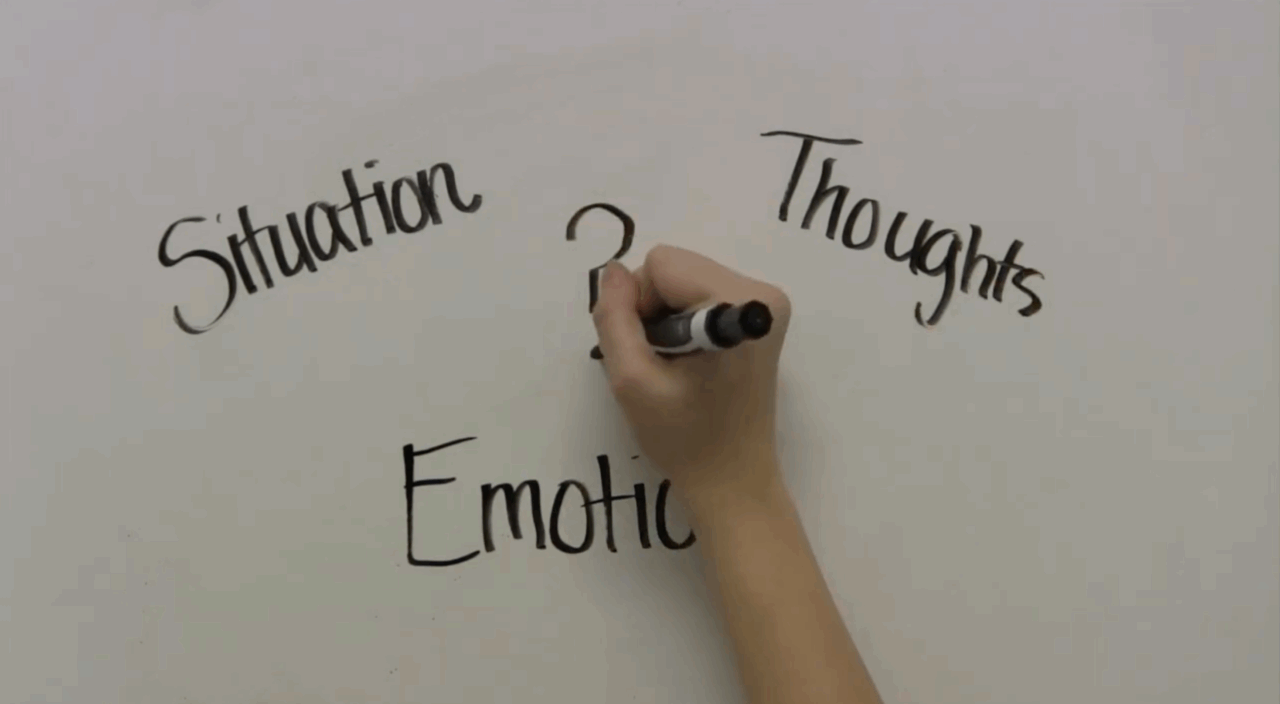
Emotions can be triggered by lots of different things. Sometimes, what we think about a situation can upset us way more than what the situation actually is. Becoming more aware of your thoughts, interpretations, assumptions, and beliefs can be super helpful for knowing how to respond to upsetting situations. Checking The Facts can improve your mental health by allowing space between feelings, thoughts, and actions.
When to Use This Skill
Use Check The Facts when:
- You’re upset.
- You want to better understand how your thoughts are influencing your emotions.
- You’re trying to decide how to respond to a stressful situation.
Check the Facts Guide
How to Use This Skill
DBT offers numerous concrete steps for Checking The Facts. But, the most important part of the skill is doing your best to differentiate between the facts of your situation and your thoughts about the situation.
To figure out the facts, ask yourself questions like:
- What happened right before I started feeling the way I’m feeling?
- What did I see, hear, smell, taste, or physically feel?
- Did someone say or do something? Did some event happen? Did I learn new information? Did I notice a sensation in my body, or notice something in my surroundings?
- What exactly did I experience? What am I currently facing?
-
It can be useful to ask: if there were a fly on the wall, or a jury of people listening/watching, would they describe things the same as you? Of course, different people can view the same situation differently, but the facts are the parts of a situation that most people would agree on.
-
- What do I think about this situation?
- Am I assuming someone’s intention, or trying to read their mind?
- Am I thinking negative thoughts about things that are going to happen or trying to predict the future?
- Am I focusing entirely on the “negative” pieces of the situation and ignoring or discounting the “positive” pieces?
- Am I stuck on how I think things should be, how I think other people should be acting, or how I think I should be?
- Am I making any assumptions or adding on interpretations on top of reality?
-
This alone can sometimes help you feel better. If you’re upset because of facts, you usually will need to go into problem solving. If you’re upset because of thoughts, you usually will need to go into opposite action and other coping skills (like distraction or grounding).
If you notice you’re upset because of thoughts, you also can try to change your thinking, or try to challenge any “cognitive distortions” you have. To do this, try asking yourself questions like:
- How likely is it that what I’m afraid of happening is actually going to happen? What else could happen? What’s the best that could happen? If the worst does happen, how could I cope with it?
- How would another person view what happened? What are other ways to think about the situation?
- What would my best friend say about this situation? What about my therapist? My wisest teacher?
- Are my thoughts about this situation helping me or hurting me? Do the thoughts I’m focusing on feel good or feel bad? What’s a way I could think about this situation that makes me feel better while also still feeling true?
Resources
How to Check the Facts
A detailed walkthrough of DBT’s Check The Facts steps, from DBTSelfHelp.com
Related Skills
Wise Mind
Find your inner wisdom.
Opposite Action
Reduce emotions that you don’t want to be feeling.
Radical Acceptance
Acknowledge what’s true and let yourself grieve.
Pros and Cons
Choose wisely when facing impulsive urges or confusion.