Distress Tolerance Kit
Making a distress tolerance kit can help you actually use your coping skills when you’re stressed or overwhelmed.
Stories
Sometimes my anxiety and depression get so severe that the intensity no longer fits in a one to ten scale. When that happens, I need relief immediately‑one of the tools I use for this is a distress tolerance kit
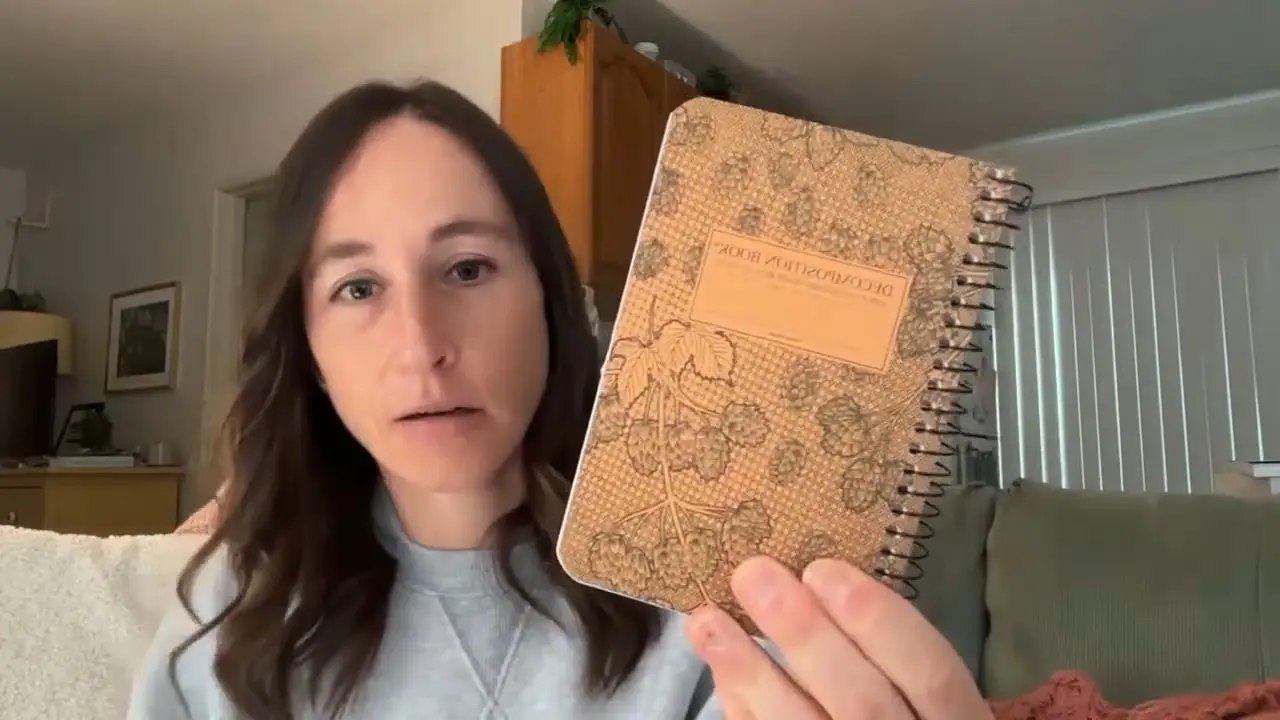
A distress tolerance kit is an anchor from current me to future me where it's taking the element of choice out of it
Community Tips
I have two distress tolerance kits. One is a big basket at home that can hold all of my things, but one is a small makeup bag that I can bring with me on the subway and wherever I go, filled with the best small coping tools for me. An essential oil, warhead candy, a fidget spinner, and a note with a mantra that my therapist and I came up with.
I keep everything in the same distress tolerance kit, but then I have different instructions for different types of problems. Certain skills don’t always work for me. Like, I need something more intense when I’m angry, so I have different lists of skills to use for anger, anxiety, and weed cravings. That way I don’t have to think about it. I go to my kit, I’m told what to do. It’s nice that the advice comes from me, not someone else.
Goodwill usually has a ton of little zippered bags. I got four, one for me and each of my 3 sisters. My first step was to add a memory caring message and another the strengths I appreciated to each of them.
I put a photo of my favorite Grandma in mine. She really understood me.
I got this idea from a Meeting. I got a carton of warheads and atomic bombs (I wish I could have found smaller quantities), and I keep 5 of each in my kit to distract when I’m in the red.
I keep two small essential oil bottles in my kit ‑ peppermint and lavender and two small bits of cloth from a t‑shirt that was important to me. I dampen it and add one of the scents when I need to get my head straight.
My safety plan is on an app, so in my kit I have a note that says Safety Plan and a few of the Pros for using it and the Cons of not using it.
Why Use this Skill
It’s super common for people to learn new coping skills that they’re really excited about, and then never actually use them when they’re upset or in crisis. When emotions are high, it can feel really hard to think clearly, making it hard to remember all of the things you could do to help yourself feel better. Making a distress tolerance kit helps you prepare for these moments ahead of time, so that it’s more likely you actually remember and use coping skills!
When to Use This Skill
Use distress tolerance kits when:
- You’re emotionally sensitive or struggle with impulsive behaviors.
- You have trouble remembering or actually using new coping skills you’ve learned.
- You like preparing ahead of time for things.
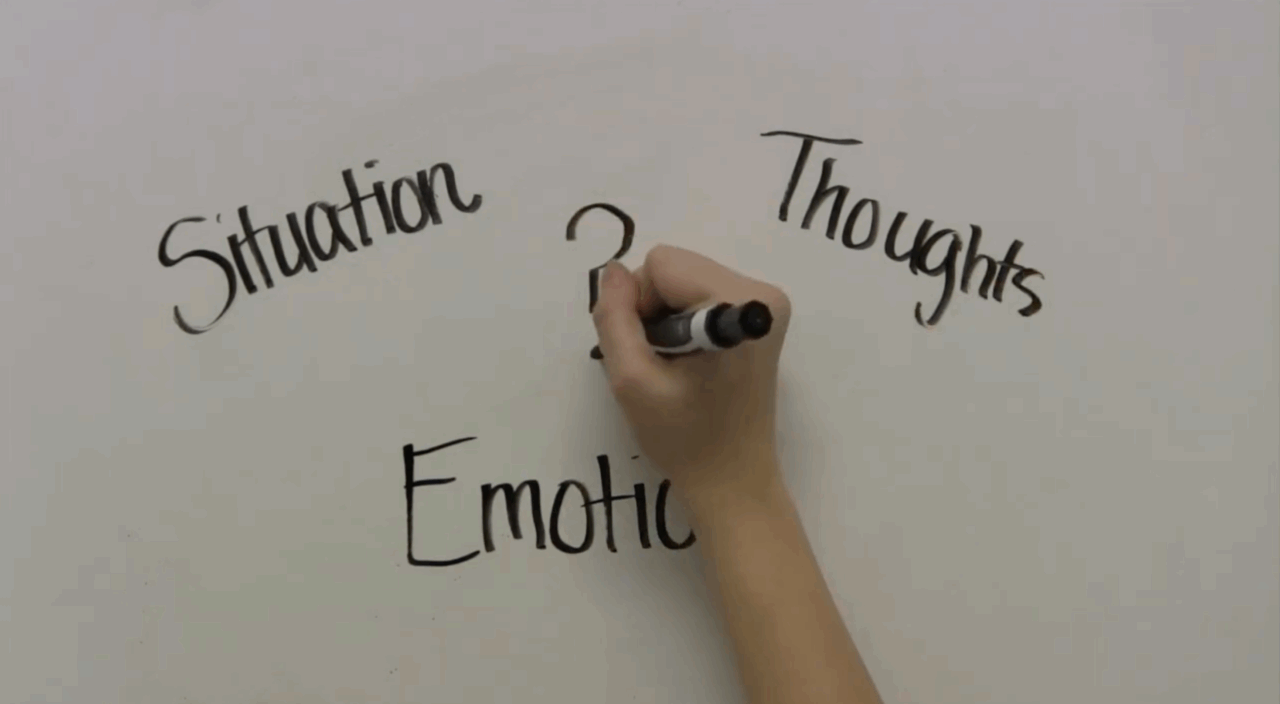
Check the Facts Guide
How to Use This Skill
Making a distress tolerance kit is putting all of your coping skills in one place.
Distress tolerance kits are usually physical spaces or containers. It could be a bedside table drawer, a box in your closet, a basket in your living room, a pencil bag in your school backpack, or a shelf next to your favorite seat in your house. Anywhere and anything that may be easiest to access when you’re stressed.
In this designated box/bag/basket/place, include all of the materials, tools, notes, or reminders you may need to practice your coping skills. Some of our favorite ideas:
- Your safety plan.
- Something distracting.
- Something self-soothing.
- An aid for practicing Cold Water (like a first aid kit instant cold pack).
- Favorite self-validation or self-encouragement statements.
- Caring messages you’ve received from loved ones.
- A physical health reminder check-in.
Distress tolerance kits can be digital, too! You could keep a note on your phone, an email in your archive, or a document on the cloud. Write out a list of skills you’d like to use. When you can, include resources right there in the note/document—like, a hyperlink to a spa music playlist or funny YouTube video.
-
It can be useful to ask: if there were a fly on the wall, or a jury of people listening/watching, would they describe things the same as you? Of course, different people can view the same situation differently, but the facts are the parts of a situation that most people would agree on.
-
- What do I think about this situation?
- Am I assuming someone’s intention, or trying to read their mind?
- Am I thinking negative thoughts about things that are going to happen or trying to predict the future?
- Am I focusing entirely on the “negative” pieces of the situation and ignoring or discounting the “positive” pieces?
- Am I stuck on how I think things should be, how I think other people should be acting, or how I think I should be?
- Am I making any assumptions or adding on interpretations on top of reality?
-
This alone can sometimes help you feel better. If you’re upset because of facts, you usually will need to go into problem solving. If you’re upset because of thoughts, you usually will need to go into opposite action and other coping skills (like distraction or grounding).
If you notice you’re upset because of thoughts, you also can try to change your thinking, or try to challenge any “cognitive distortions” you have. To do this, try asking yourself questions like:
- How likely is it that what I’m afraid of happening is actually going to happen? What else could happen? What’s the best that could happen? If the worst does happen, how could I cope with it?
- How would another person view what happened? What are other ways to think about the situation?
- What would my best friend say about this situation? What about my therapist? My wisest teacher?
- Are my thoughts about this situation helping me or hurting me? Do the thoughts I’m focusing on feel good or feel bad? What’s a way I could think about this situation that makes me feel better while also still feeling true?
Resources
How to Actually Use the Coping Skills You Learn with a Distress Tolerance Kit
A short article in Psychology Today by Dr. Kiki Fehling
Related Skills
Wise Mind
Find your inner wisdom.
Opposite Action
Reduce emotions that you don’t want to be feeling.
Radical Acceptance
Acknowledge what’s true and let yourself grieve.
Pros and Cons
Choose wisely when facing impulsive urges or confusion.